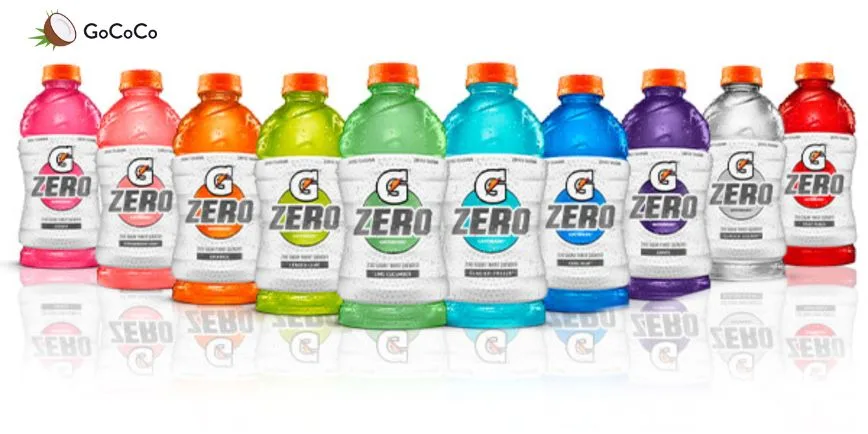

What Is Gatorade Zero?
Let’s start by understanding what Gatorade Zero actually is and why it’s often marketed as a better option for people with diabetes.
Gatorade Zero is a version of the classic sports drink that contains zero sugar and zero carbs. Instead, it’s sweetened with artificial ingredients like sucralose and acesulfame potassium, and it includes electrolytes—mainly sodium and potassium—that help with hydration, especially during physical activity.
While it might look like a simple hydration fix, there’s more going on in that brightly colored bottle than meets the eye.
👉If you want more tips and diabetes-friendly recipes use tools like my diabetic app. 🥥
Is Gatorade Zero Good for Diabetics?
Now that we know what’s inside Gatorade Zero, let’s explore how it fits into a diabetes-friendly lifestyle—and where it may fall short.
A sugar-free label does not predict an individual blood sugar response or establish the overall nutritional quality of a drink. Here’s a breakdown of both the benefits and potential drawbacks:
✔️The Pros:
- No added sugars or carbs, making it a safer choice during high-intensity workouts
- Contains electrolytes that support hydration, especially after sweating
- Available in a variety of flavors, offering a break from plain water
🚫The Cons:
- Contains artificial sweeteners, which have been linked to a reduction in insulin sensitivity when consumed regularly
- Doesn’t offer any nutritional value—no fiber, no natural ingredients, and no health-promoting compounds
- May encourage a preference for sweet flavors, which can make it harder to stick to whole, less-processed foods
This is similar to what we see with other "sugar-free" treats, like certain types of dark chocolate for diabetes—which can be enjoyed in moderation but shouldn't become a daily habit just because they don’t spike blood sugar.
Gatorade Zero may work in certain situations—like after intense exercise or illness—but it’s not something to rely on daily.
Artificial Sweeteners and Insulin Sensitivity
Even though Gatorade Zero has no sugar, its sweeteners might not be as harmless as they seem.
📚Studies have shown that frequent consumption of artificial sweeteners, such as those used in Gatorade Zero, can interfere with gut bacteria and impact insulin signaling in the body. This means that while your blood sugar might stay stable today, your insulin sensitivity could gradually decrease over time.
This is especially important for people with type 2 diabetes, where maintaining or improving insulin sensitivity is a key goal. In this case, no sugar doesn’t mean no impact.
Better Everyday Alternatives to Gatorade Zero
Here are some simple, refreshing alternatives that support your health without the downsides:
Homemade Drinks to Try Instead:
Lemon iced tea with mint
Light, flavorful, and naturally refreshing
Cucumber-lime water
Hydrating with a subtle zing
Berry-infused water
Add a few crushed berries to your bottle
Coconut water (in small amounts)
Naturally contains electrolytes
These options hydrate your body and offer taste, without the need for added sweeteners or artificial ingredients.
You also might want to check out this guide to the best protein powders for diabetics that prioritize natural ingredients over artificial ones.
So, is Gatorade Zero good for diabetics?
The answer is: it depends. For the occasional workout or hot day, it can be a convenient option. But making it part of your daily hydration routine? That’s not the best idea. The presence of sweeteners alone does not establish the long-term effect of this particular drink on insulin sensitivity.
Instead, build your hydration habits around plain water and natural, homemade drinks. They’re better for your body, your gut, and your long-term blood sugar management.
FAQs
It’s best not to. While it’s sugar-free, daily use of artificial sweeteners may impact insulin sensitivity over time.
Check the total carbohydrates and serving size on your bottle. Neither a sugar-free label nor this article can guarantee your individual glucose response.
Yes, in the short term—it doesn’t contain sugar. But it’s still not ideal as an everyday beverage.
Keep reading