
To understand why farro contains gluten, it helps to know what it is. Farro is a group of ancient wheat grains that have been enjoyed for thousands of years. They have a nutty flavor and chewy texture, making them popular in salads, soups, and side dishes.
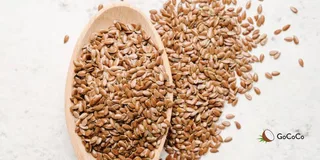
What Is Farro? A Nutritious Ancient Wheat Grain
Key facts about farro:It’s a wheat variety, so it naturally contains gluten.It provides carbohydrates and plant-based protein.It contains fiber, which supports digestion.It’s minimally processed, making it a whole grain.
Knowing these basics helps clarify why farro can be part of a balanced diet for many, but not for those needing to avoid gluten.
Why Farro Is Not Gluten Free: The Gluten Basics
Gluten is a group of proteins found in wheat, barley, and rye. Because farro is a wheat grain, it naturally contains gluten proteins. This means farro is unsuitable for people with gluten-related disorders.
Important points about gluten:
- Gluten gives dough its elasticity and chewiness.
- It triggers immune reactions in people with celiac disease.
- Some people have non-celiac gluten sensitivity, experiencing discomfort when eating gluten.
- Gluten-free diets require avoiding wheat and related grains.
Understanding gluten’s role clarifies why farro is off-limits for gluten-free diets, but fine for most others.
Who Should Avoid Gluten? Understanding the Need
Not everyone needs to avoid gluten, but some people must due to health reasons. Knowing who should skip farro helps avoid unnecessary restrictions.
| Condition | Gluten Consumption Advice |
|---|---|
| Celiac disease | Must avoid all gluten-containing foods including farro |
| Non-celiac gluten sensitivity | Should avoid gluten to reduce symptoms |
| Wheat allergy | Avoid wheat, including farro |
| No gluten issues | Can eat farro safely in moderation |
People without these conditions can generally enjoy farro as part of a balanced diet, focusing on whole foods and portion control.
Gluten-Free Whole Grain Alternatives to Farro
If you need to avoid gluten, several nutritious whole grains offer similar benefits without gluten content. Including these in your meals can keep variety and fiber intake high.
Common gluten-free whole grains:
- Quinoa
- Brown rice
- Millet
- Buckwheat
- Amaranth
Using these alternatives helps maintain a balanced diet rich in whole grains while avoiding gluten.
Practical Tips for Including Whole Grains in Your Diet
Eating whole grains like farro or gluten-free alternatives is best done mindfully and balanced with other food groups. Here are some simple tips to help:
- Fill about one-quarter of your plate with whole grains.
- Balance your meal with plenty of vegetables and a source of protein.
- Use household measures like handfuls or plate sections instead of weighing food.
- Limit processed foods and ultra-processed grain products.
- Explore recipes with whole grains for variety and enjoyment.
Following these practical habits supports a sustainable, healthy eating pattern for everyone.
Farro is not gluten free because it’s an ancient wheat grain, but it remains a healthy whole grain for most people when eaten as part of a balanced diet.
For those who need to avoid gluten, gluten-free grains like quinoa and brown rice offer nutritious alternatives.
Using simple portions and balanced meals helps support a healthy lifestyle and tools like Gococo make it easier to find practical meal ideas and track habits that work for you.
FAQS
No, farro contains gluten and should be avoided by anyone with celiac disease or gluten intolerance.
Yes, farro is a nutritious whole grain suitable for most people without gluten issues.
Options include quinoa, brown rice, millet, and buckwheat, which provide fiber and nutrients without gluten.
Keep reading